To Make Marmalett Of Orangos
From the treasured pages of Cookbook
Unknown Author
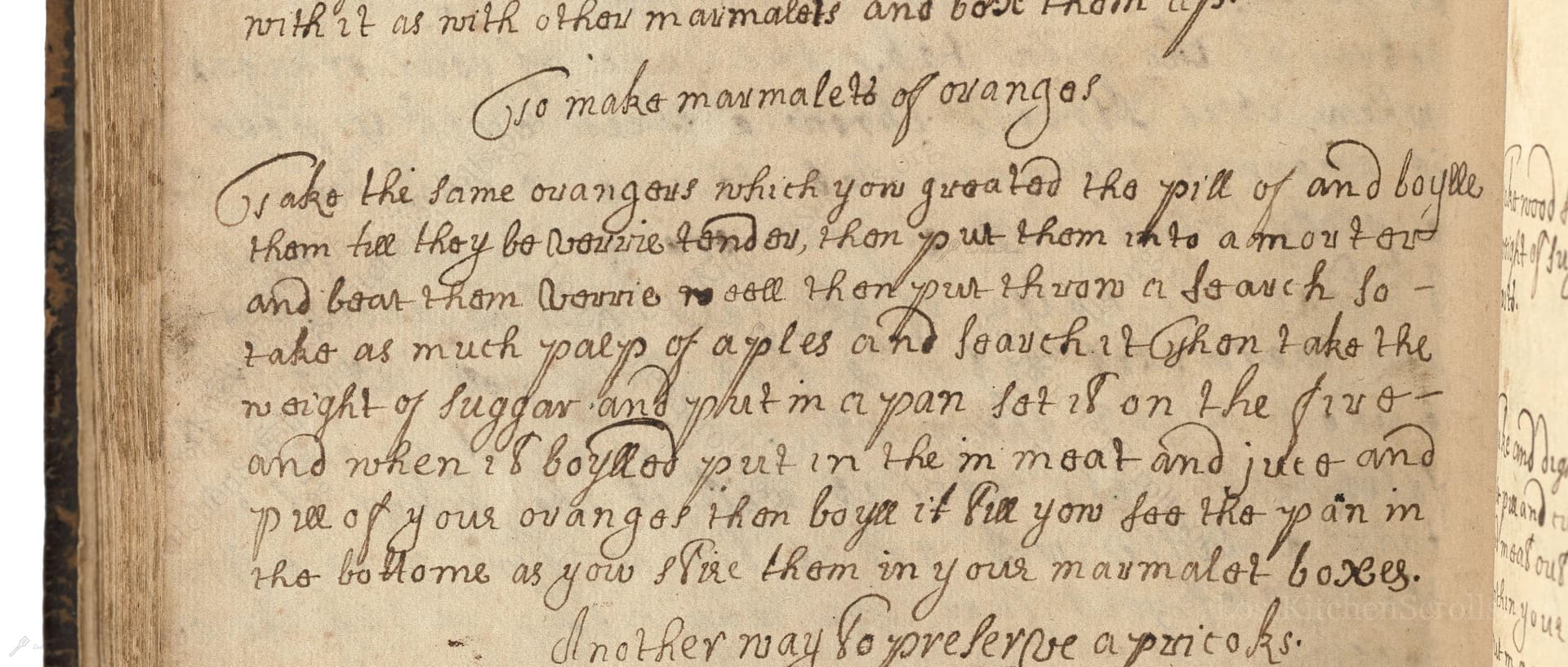
To Make Marmalett Of Orangos
"Take the same orangos which you greated the pill of and boyle them till they be verrie tender, then put them into a mortor and beat them verrie well then put throw a search so - take as much palp of aples and search it then take the weight of suggar and put in a pan set it on the fire - and when it boyled put in the meat and juse and peel of your orangos then boyle it till you see the pan in the bottome as you stire them in your marmalot boxes."
Note on the Original Text
The recipe is written in the brief, practical language of the period, assuming the reader's familiarity with basic kitchen processes and measures. Spellings like 'boyle' (boil), 'verrie' (very), 'pill' (peel), and 'search' (sieve) reflect Early Modern English conventions. Recipes of this era rarely specified exact quantities or times, instead relying on sensory cues ('till they be verrie tender', 'till you see the pan in the bottome') for doneness. This style encouraged cooks to rely on their skill, instinct, and judgment.
Title
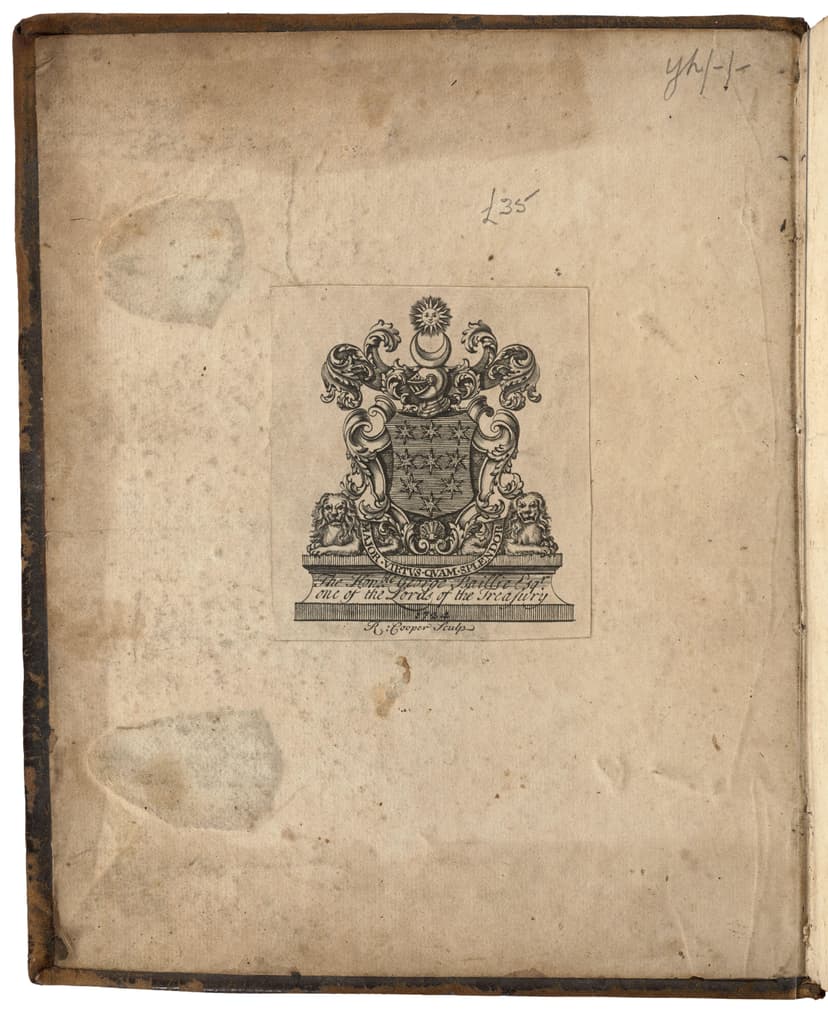
Cookbook (1706)
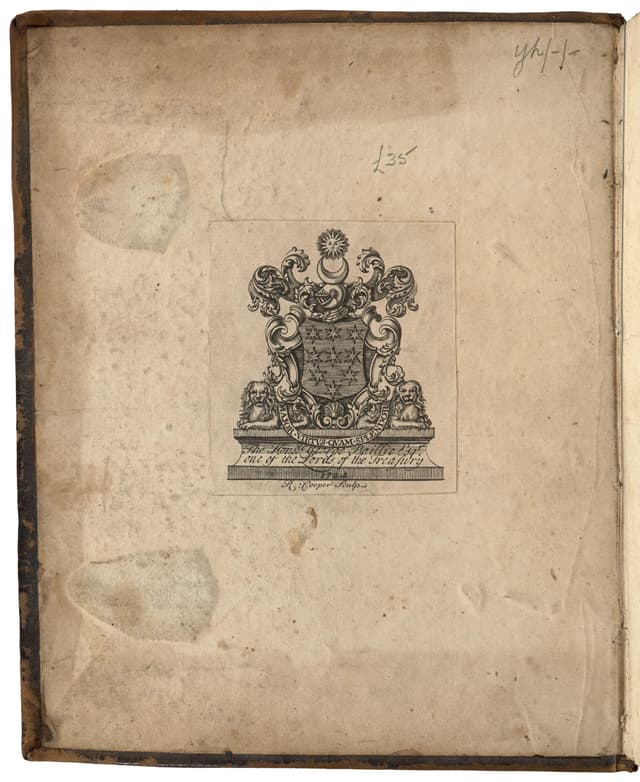
You can also click the book image above to peruse the original tome
Writer
Unknown
Era
1706
Publisher
Unknown
Background
Step back to the early 18th century with this charming culinary collection, brimming with period recipes that tantalize the tastebuds and offer a delicious glimpse into historic kitchens.
Kindly made available by
Folger Shakespeare Library
This recipe hails from the early 1700s in England, a period when preserving fruits as marmalades or fruit pastes was both a practical and luxurious art. Oranges, particularly the bitter Seville orange, were prized imports and made a frequent appearance in aristocratic kitchens. Apples provided bulk and natural pectin, ensuring a good set in the preserve. Such recipes were often handwritten in household manuscripts, passed from one cook to another, and reflect the evolving taste for sweet, fruit-based confections among the well-to-do.
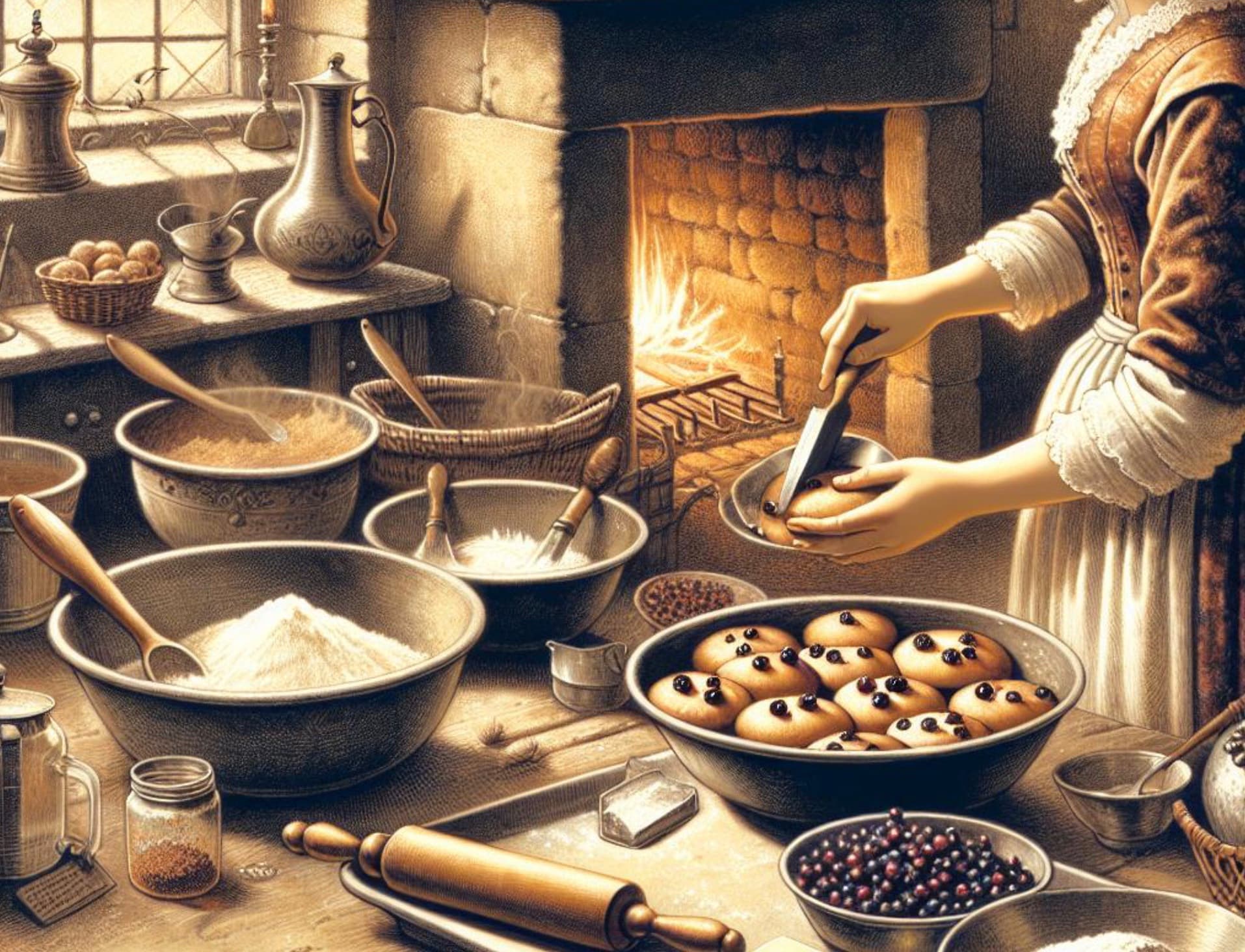
Cooks of the early eighteenth century would have used a mortar and pestle to pound the fruit pulp until smooth and a 'search' (sieve or strainer) to further refine the purée. A large copper or brass preserving pan would be set over an open hearth or coal fire for boiling down the mixture. Stirring was done with sturdy wooden spoons and, once ready, the marmalade would be poured into shallow earthenware or wooden 'boxes' (molds or dishes) to set.
Prep Time
30 mins
Cook Time
1 hr 30 mins
Servings
10
We've done our best to adapt this historical recipe for modern kitchens, but some details may still need refinement. We warmly welcome feedback from fellow cooks and culinary historians — your insights support the entire community!
Ingredients
- 4 large oranges (approx. 1 lb 12 oz total)
- 14 oz apples (about 3 medium, peeled, cored)
- 2 lb 10 oz granulated sugar (or use equal to combined pulp weight)
- Water as needed for boiling
- Optional: extra orange zest for flavor
Instructions
- To create an orange and apple marmalade reminiscent of early eighteenth-century English kitchens, begin by peeling several oranges (use the zest for added flavor) and simmering the oranges in water until completely tender.
- Next, pound the cooked oranges in a mortar or blitz them in a food processor until smooth, then pass the pulp through a fine sieve to create a silky purée.
- Separately, prepare an equal weight of apple pulp by cooking peeled, cored apples until soft, then mashing and sieving until smooth.
- Measure out the combined weight of orange and apple pulp and use the same weight of granulated sugar.
- In a large pan, combine the sugar and a splash of water and heat until dissolved.
- Add the orange and apple pulps, along with the reserved orange zest (finely grated) and the juice of the oranges.
- Simmer the mixture, stirring frequently, until thickened and glossy, and you can see the bottom of the pan as you stir.
- Pour the finished marmalade into sterilized jars or boxes and allow it to cool and set.
Estimated Calories
200 per serving
Cooking Estimates
You will spend about 30 minutes preparing the fruit and workspace. Cooking, softening, sieving, and simmering the marmalade should take around 1 hour and 30 minutes. This recipe makes about 10 servings, each with approximately 200 calories.
As noted above, we have made our best effort to translate and adapt this historical recipe for modern kitchens, taking into account ingredients nowadays, cooking techniques, measurements, and so on. However, historical recipes often contain assumptions that require interpretation.
We'd love for anyone to help improve these adaptations. Community contributions are highly welcome. If you have suggestions, corrections, or cooking tips based on your experience with this recipe, please share them below.
Join the Discussion
Rate This Recipe
Dietary Preference
Main Ingredients
Culinary Technique
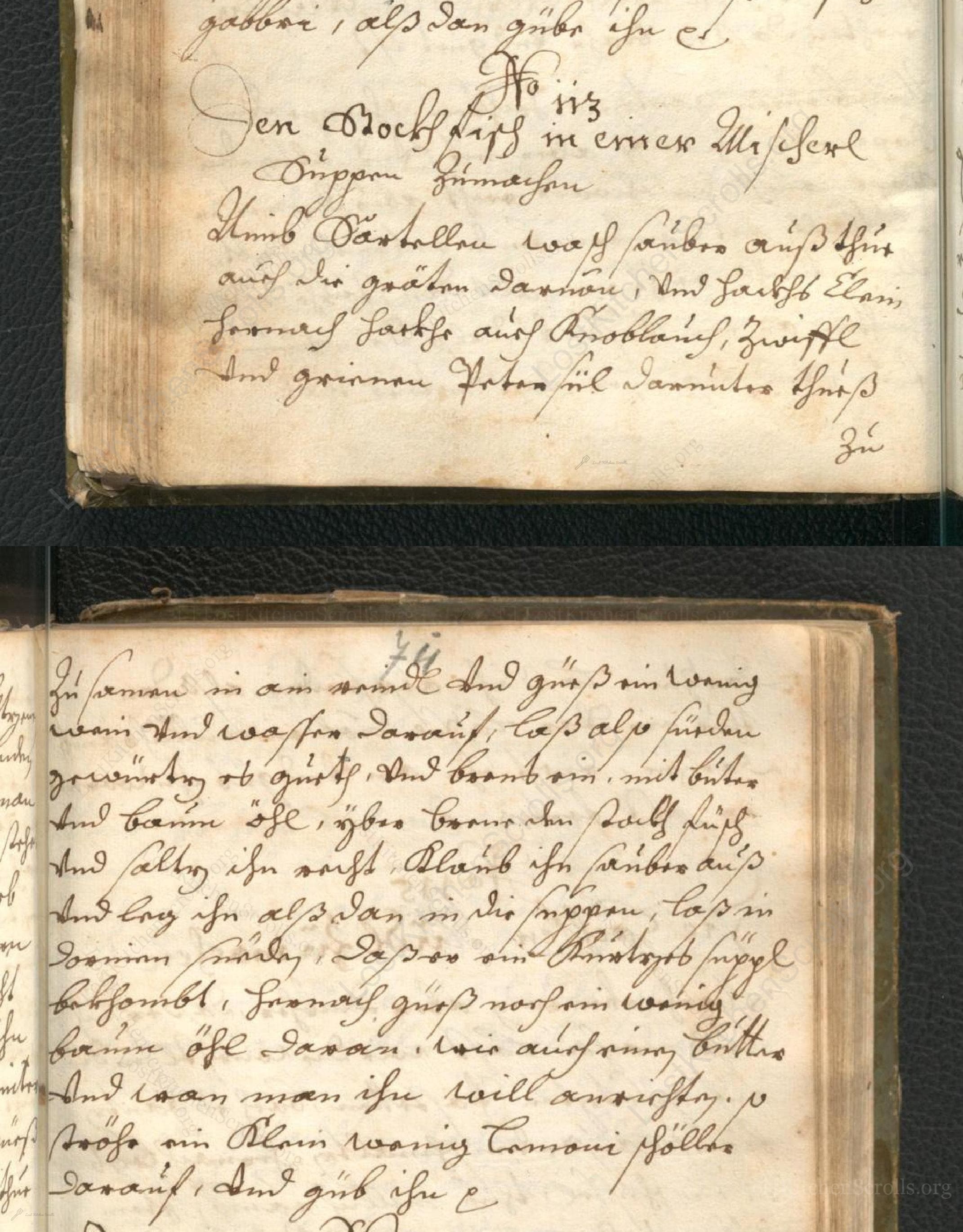
Den Bockfisch In Einer Fleisch Suppen Zu Kochen
This recipe hails from a German manuscript cookbook compiled in 1696, a time whe...
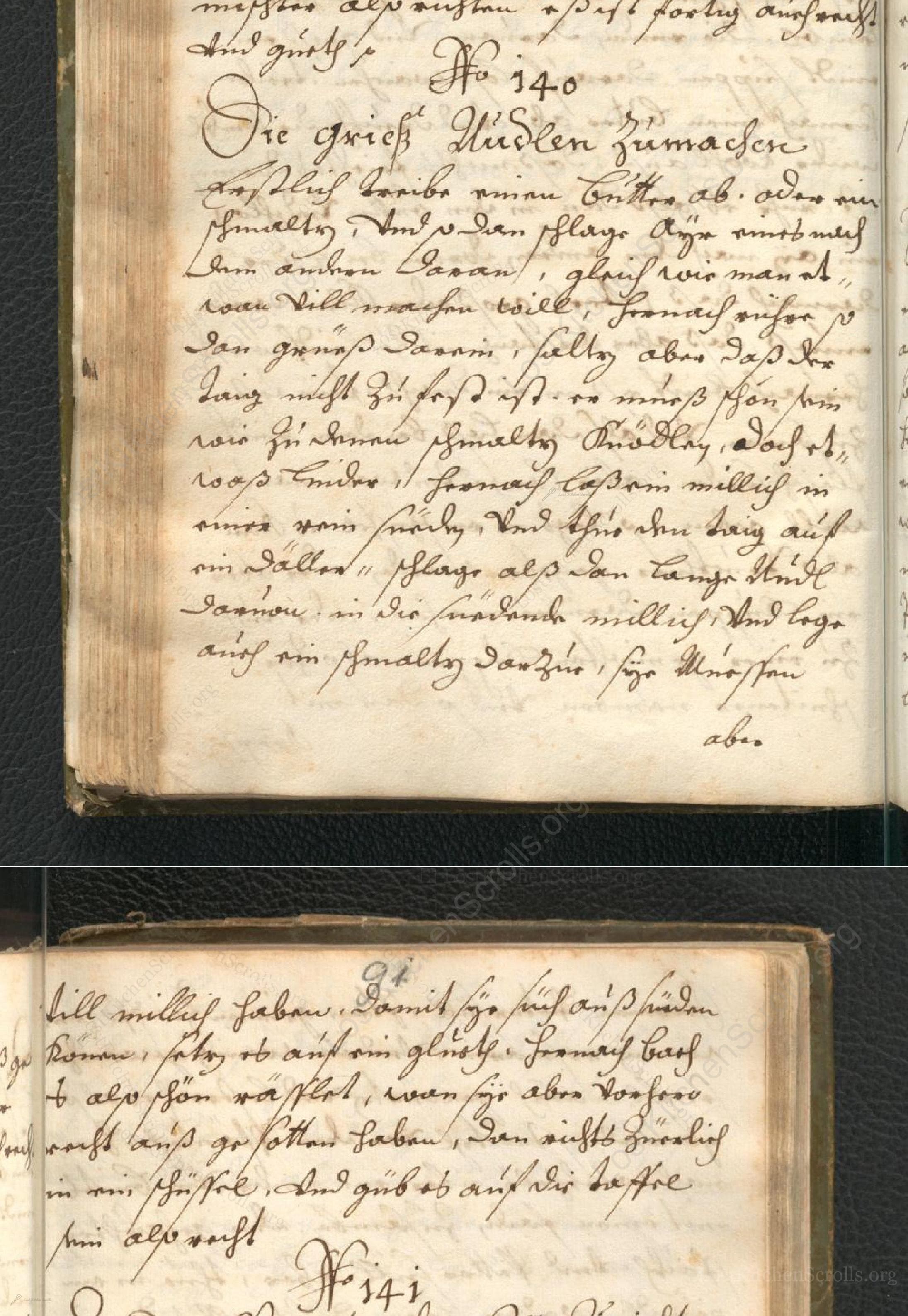
Die Grieß Nudlen Zumachen
This recipe comes from a rather mysterious manuscript cookbook, penned anonymous...
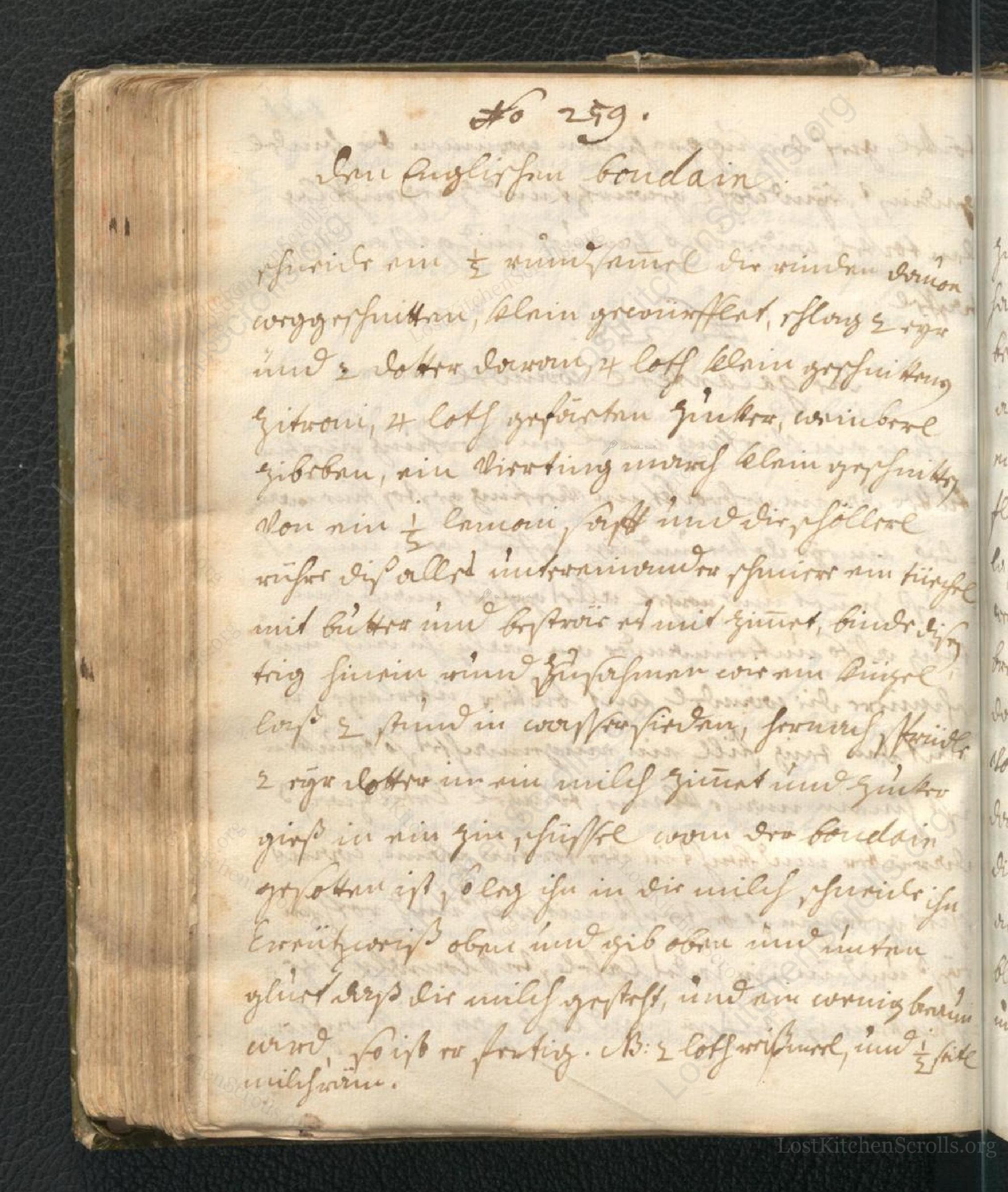
Ein Boudain
This recipe comes from an anonymous German-language manuscript cookbook from 169...
Ein Gesaltzen Citroni
This recipe, dating from 1696, comes from an extensive anonymous German cookbook...
Browse our complete collection of time-honored recipes