
Onion & Tomato Sauce
"One large onion finely sliced; one large tomatoe also sliced. Put in a frying-pan with a small piece of butterr or dripping. When well browned add a little water, keep turning and add more water as the pan is absorbed. Do this until the onions are quite soft. About 3/4 of an hour. They should be a deep brown colour - Now add pepper, salt, a dash of vinegar, a little sauce, and thicken with Bisto."
Note on the Original Text
Recipes in early manuscript cookbooks were typically short, sketched instructions meant for readers with basic kitchen literacy. Modern measurements were rare; cooks relied on intuition and experience instead. Ingredients might be spelled phonetically or with period-specific conventions—note 'tomatoe' for 'tomato,' and 'dripping' referring to rendered beef fat. The reference to 'Bisto' indicates this version was updated in the 20th century, as Bisto was first produced in 1908—earlier versions would have used arrowroot or flour as a thickener.
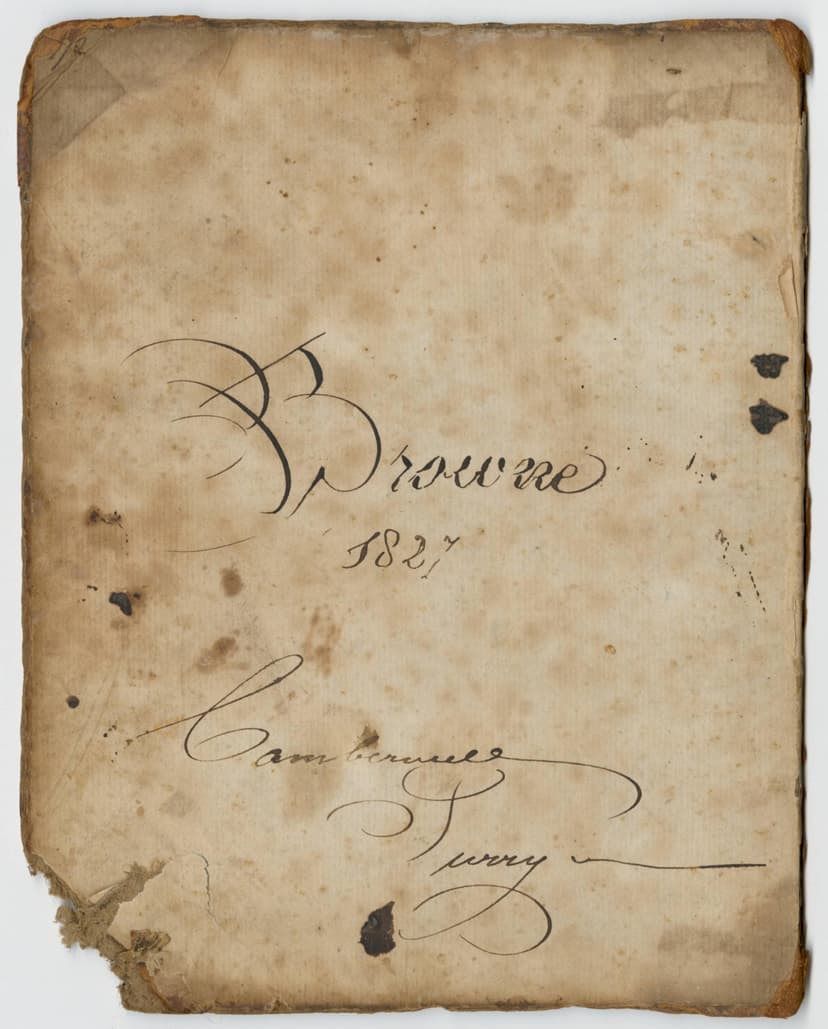
Title
Cookbook compiled in Camberwell, Surrey (1800)
You can also click the book image above to peruse the original tome
Writer
Unknown
Era
1800
Publisher
Unknown
Background
A charming manuscript cookbook from Camberwell, Surrey, this culinary treasure features 190 recipes penned between 1770 and 1772—ranging from recreated classics à la Hannah Glasse to secret family creations—all representing the finest traditions of British cookery. An additional section, hand-written by various scribes in the early 19th century, continues the journey through British gastronomy, making this a delicious window into past kitchens.
Kindly made available by
Penn State University Libraries
This recipe comes from an English manuscript cookbook with roots in both the late 18th and early 19th centuries, compiled in Camberwell, Surrey. The collection reflects the domestic economy and taste of a burgeoning urban middle class, combining both handwritten family favorites and borrowed printed texts. Such sauce recipes speak to both frugality—using readily available ingredients—and the influence of burgeoning commercial products like brown sauce and Bisto. The development of sauces like this one reflects a time before mass refrigeration, where onions provided a sweet depth and tomatoes added brightness, while accessible store-cupboard staples like malt vinegar and brown sauce brought tang and umami to simple home cooking.
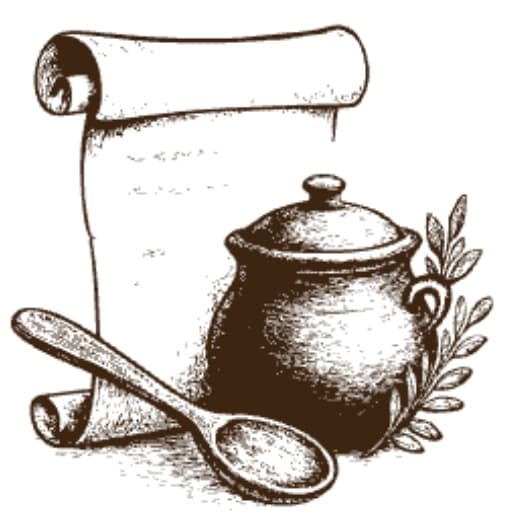
The recipe would have been made on an open fire or range, typically using a sturdy cast-iron or copper frying pan. A long-handled wooden spoon or spatula was essential for frequent stirring. Slicing would be done with a well-sharpened kitchen knife. Water would be added from a jug or kettle kept nearby the stove. No digital timers or modern conveniences—just attentive eyes and practiced hands judging doneness by look and smell.
Prep Time
10 mins
Cook Time
45 mins
Servings
2
We've done our best to adapt this historical recipe for modern kitchens, but some details may still need refinement. We warmly welcome feedback from fellow cooks and culinary historians — your insights support the entire community!
Ingredients
- 1 large onion (approx. 7 oz), finely sliced
- 1 large tomato (approx. 5 oz), sliced
- 1/2 oz butter or beef dripping (substitute: vegetable oil if unavailable)
- Water (as needed, up to 5 fl oz)
- Salt, to taste
- Black pepper, to taste
- 1 tsp malt vinegar
- 1 tsp brown sauce (HP Sauce or similar; substitute with Worcestershire sauce if needed)
- 1 tsp Bisto (or substitute with cornstarch if unavailable, dissolved in 1/2 fl oz cold water)
Instructions
- Begin by finely slicing one large onion (about 7 oz) and one large tomato (5 oz).
- In a frying pan, melt a small knob of butter or an equivalent amount of beef dripping (about 1/2 oz).
- Add the onions and tomato and cook over medium heat until well browned, stirring regularly.
- Gradually add small splashes of water (about 1 fl oz at a time) to prevent burning, continuing until the onions are soft and deeply caramelised—this should take roughly 45 minutes.
- Season with salt and black pepper to taste, a dash (about 1 teaspoon) of malt vinegar, and a little brown sauce (for modern purposes, use HP Sauce, about 1 teaspoon).
- Thicken at the end with a little Bisto (about 1 teaspoon blended with a splash of cold water), then stir through until the sauce is glossy and rich.
- Serve warm as a condiment or sauce.
Estimated Calories
80 per serving
Cooking Estimates
It takes about 10 minutes to slice the onion and tomato and get the cooking area ready. Cooking the onions and tomato slowly with water takes around 45 minutes. The whole recipe makes enough sauce for about 2 servings, with around 80 calories per serving.
As noted above, we have made our best effort to translate and adapt this historical recipe for modern kitchens, taking into account ingredients nowadays, cooking techniques, measurements, and so on. However, historical recipes often contain assumptions that require interpretation.
We'd love for anyone to help improve these adaptations. Community contributions are highly welcome. If you have suggestions, corrections, or cooking tips based on your experience with this recipe, please share them below.
Join the Discussion
Rate This Recipe
Dietary Preference
Main Ingredients
Occasions
Den Bockfisch In Einer Fleisch Suppen Zu Kochen
This recipe hails from a German manuscript cookbook compiled in 1696, a time whe...
Die Grieß Nudlen Zumachen
This recipe comes from a rather mysterious manuscript cookbook, penned anonymous...
Ein Boudain
This recipe comes from an anonymous German-language manuscript cookbook from 169...
Ein Gesaltzen Citroni
This recipe, dating from 1696, comes from an extensive anonymous German cookbook...
Browse our complete collection of time-honored recipes